Paediatric CARE
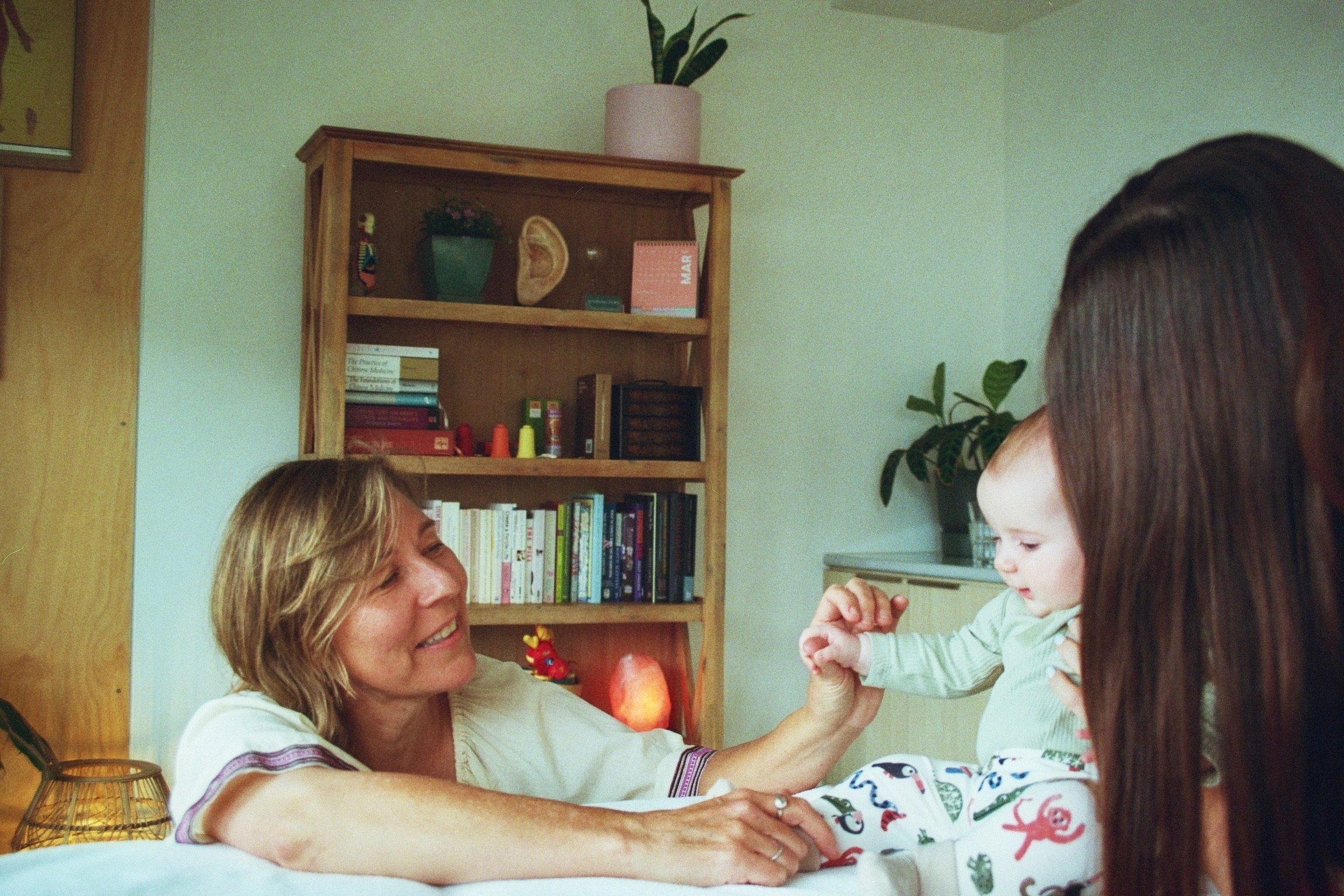
How Acupuncture Supports Your Child
Growing up in today’s world presents unique challenges. Children and teenagers navigate complex environments and digital stressors that can easily lead to a fight-or-flight stress response in the family dynamic. Acupuncture has supported children for thousands of years. The beauty of providing care for younger patients is that it addresses current symptoms while simultaneously shaping their future health, supporting them physically, mentally, and emotionally. This gentle approach allows them to experience a collaborative model of healthcare, empowering them with valuable, lifelong insights that support their wellbeing well into adulthood.
There are many different ways in which acupuncture treatment can support your child’s developmental journey:
Restoring Balance & Managing Symptoms (Mild to Complex Needs): Children commonly experience a variety of physical and emotional imbalances as they grow. Traditional Chinese Medicine views these symptoms as signs of an underlying disharmony in the child’s Qi (vital energy). By gently addressing these symptoms and underlying patterns, acupuncture helps restore natural harmony to the body.
Encouraging Growth & Wellbeing: Sometimes a child doesn’t have a specific medical diagnosis, but they are simply not thriving. Acupuncture can help a child feel better in themselves, calming their nervous system so they can relax, engage, and enjoy life more fully.
Gentle Preventative Care: The extraordinarily rapid growth and development that takes place during childhood and adolescence, combined with the daily demands of school and life, can place a heavy strain on a young system. Regular care ensures this strain is managed early, supporting long-term health.
Collaborative Healthcare: My goal is always to work alongside your child’s existing medical team. If a desired aim of your treatment is to complement or reduce the need for ongoing management strategies, I am always happy to communicate directly with your GP or paediatrician to ensure a unified approach.
How Paediatric Support Differs from Adult Care
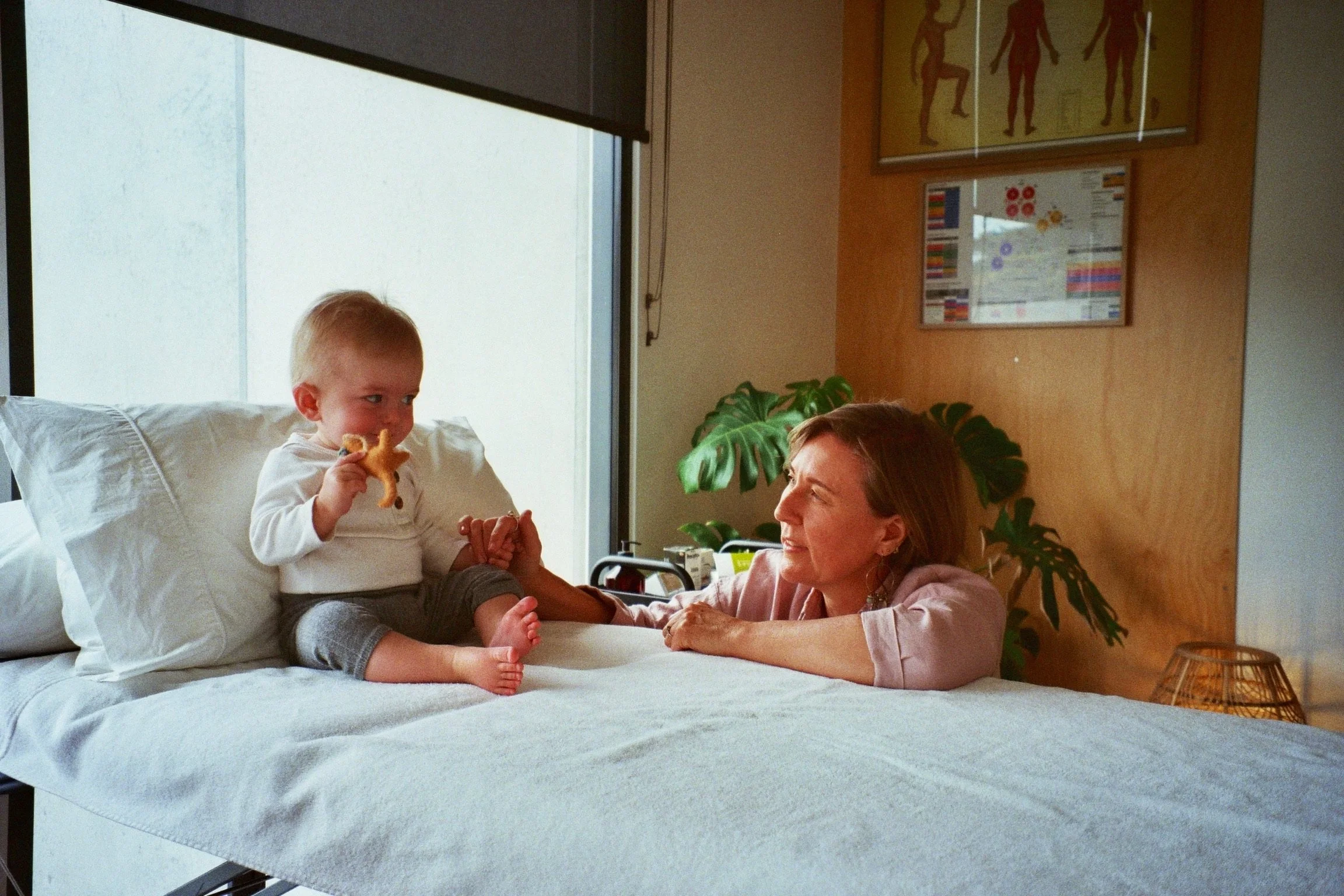
Adults come to the clinic with years of established habits, and standard sessions involve needles resting quietly for twenty minutes. Supporting children requires a completely different approach, one rooted in keen observation, gentle connection, and rapport. In my clinic, I focus on connecting with what matters to the child, rather than just what is the matter.
This approach allows the child’s Shen (their heart connection and emotional spirit) to safely show itself. By observing what makes a child’s heart sing and where they might be experiencing challenges, I can tailor a treatment to their exact needs.
Many children and teens prefer not to talk about their health during a session. This highly observant approach takes the pressure off completely, creating a safe environment for non-verbal, neurodivergent, or sensitive young people to simply receive care. When a child feels truly understood and supported to thrive, they are free to live out their unique potential (Ming).
Protecting “Little Ears”: Initial Phone Consultation
To support children who are sensitive to hearing their symptoms or behaviours discussed out loud, I offer a complimentary 15-minute introductory phone call for parents prior to the first clinical appointment. This allows us to openly discuss your primary concerns, medical history, and clinical goals freely, ensuring your child’s treatment session remains an entirely positive, stress free space.
What to Expect & My Tools
Beyond addressing immediate physical or emotional symptoms, I look closely at the child’s present environment, lifestyle, and unique presentation. For babies and infants, clinical observations are gentle and non-invasive. We talk through your primary concerns as a parent, while I observe the baby’s skin tone, movement, and digestive patterns to piece together a tailored care plan.
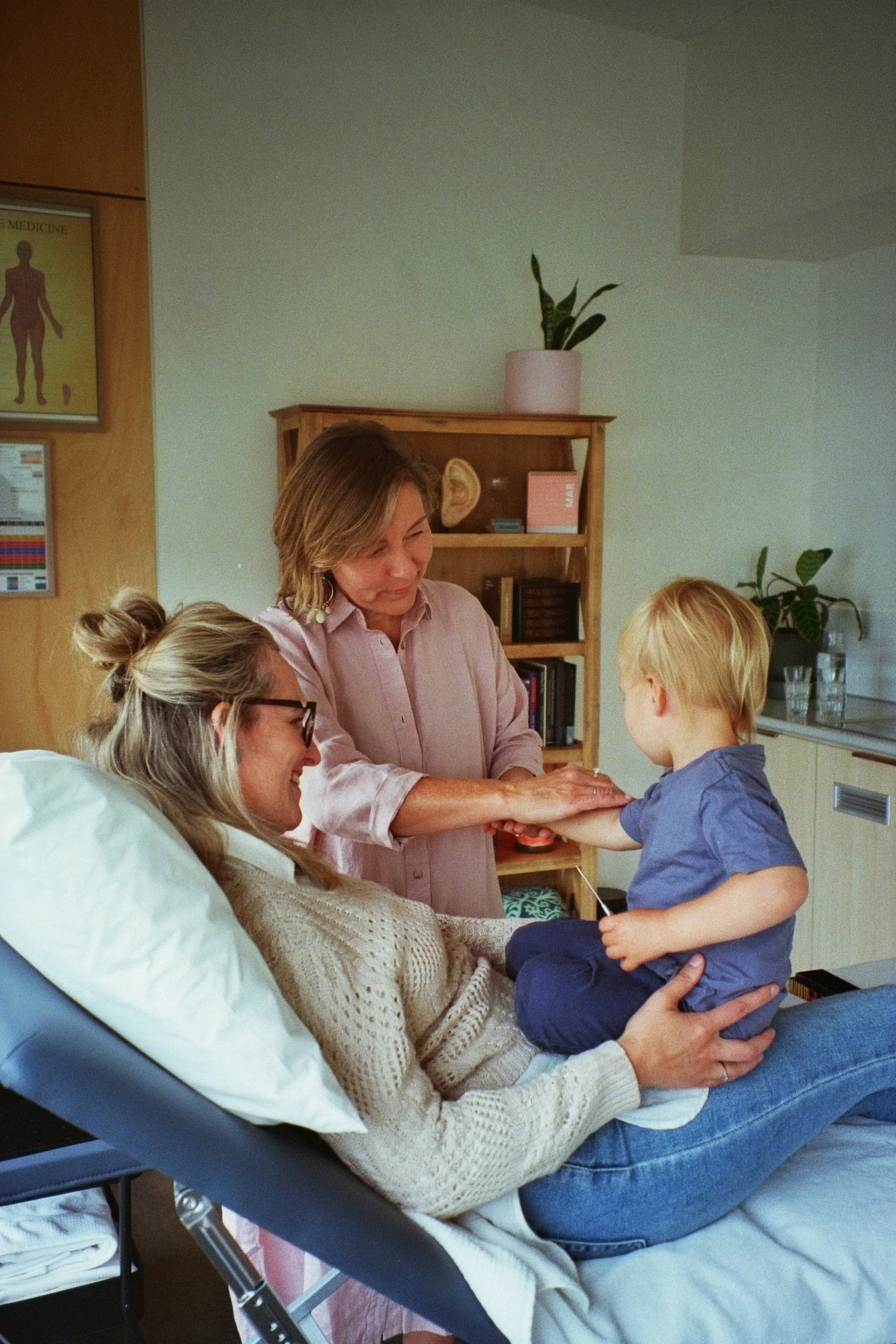
Needles are always entirely optional. To stimulate natural healing and balance, I draw from a wide range of painless, non-invasive techniques and gentle tools to ensure every child feels completely safe and comfortable, including:
Paediatric Chinese Massage (Tuina): Specialised techniques that gently knead, tap, or rub the skin.
Japanese Shonishin: Specialised tools that gently rub, tap, or press lightly on the skin’s surface.
Low-Level Laser: Painless light stimulation on acupuncture points.
Moxibustion: Gentle warming on acupuncture points without touching the skin.
Gua Sha: A smooth technique using a jade tool to rub the skin.
Flash Cupping: Using gentle, flexible silicone cups.
Press Seeds and Tacks: Tiny stickers that can be left on for the duration of the treatment or taken home.
Aromatherapy: Specifically selected therapeutic oils used directly on acupuncture points.
Lifestyle Advice: Practical, supportive recommendations tailored relative to your child’s symptoms and diagnoses.
Gentle Needles: If needles are used for babies older than 5 months, children or teens, they are incredibly fine and small and are generally not retained, or if they are it is only for a very brief time.
About my Paediatric Practice
My journey with paediatric care began shortly after graduating in 2005, when I trained in Japanese Shonishin. While I have treated children within my clinical practice for over 20 years, my focus in this field expanded significantly during my time working within a dedicated team at Jimmy’s Youth Wellbeing Sanctuary, a holistic approach to youth mental health, I spent five years pursuing extensive postgraduate training. During this time, I also joined HOPA (Hub of Paediatric Acupuncture) to stay closely connected with the latest peer research and clinical developments.


Paediatric Research
Modern clinical research is gradually confirming what traditional practitioners have observed for thousands of years. Clinical trials show particular promise for acupuncture and non-invasive related therapies in supporting paediatric pain management, bedwetting, digestive comfort, respiratory support, and wellbeing difficulties associated with neurodiversity and development.
Research to date has shown that paediatric acupuncture is safe, well-tolerated, and carries a very low risk of serious adverse effects when performed by a registered professional.
For a comprehensive summary of the current research into paediatric acupuncture, please visit the Evidence Based Acupuncture Website.